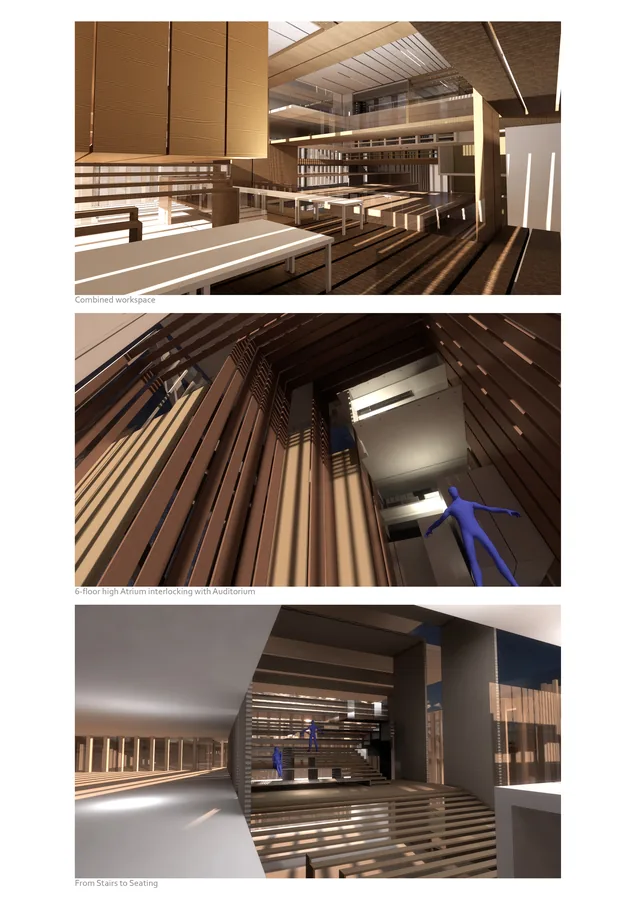
While pre-pandemic offices focused on expansive, open-air spaces that cr eate casual, communicative environments, post-pandemic we see a paradigm shift toward polycentricity with resilient, flexible hubs rather than permanent, large offices. Static spaces are becoming obsolete…
While pre-pandemic offices focused on expansive, open-air spaces that cr eate casual, communicative environments, post-pandemic we see a paradigm shift toward polycentricity with resilient, flexible hubs rather than permanent, large offices. Static spaces are becoming obsolete as adaptable, modular systems absorb a vast array of upcoming potential changes affecting the human habitat.
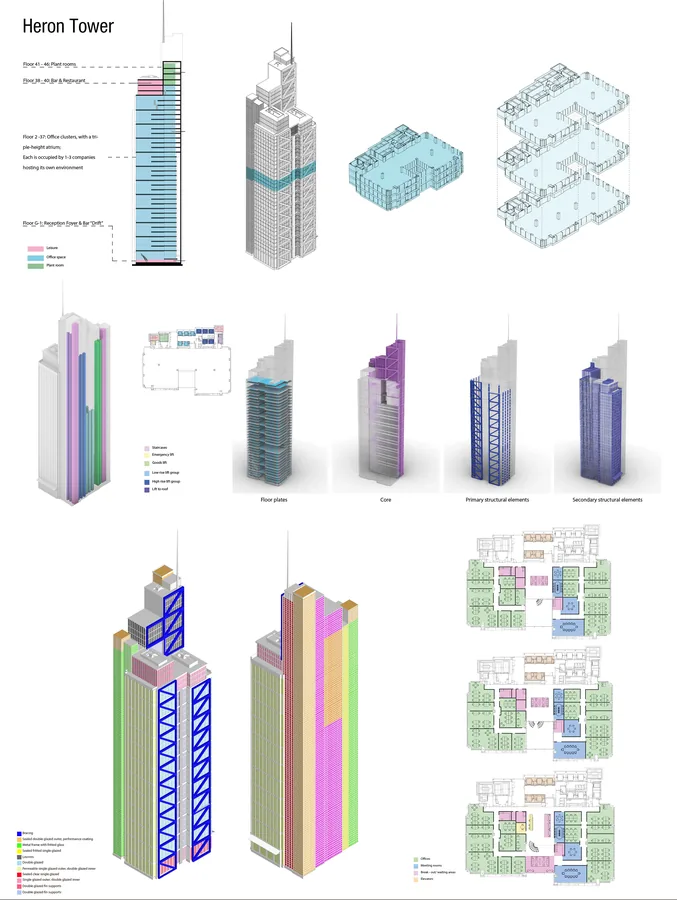
Growth and therefore readiness of the next generation of workers depend on increased exposure, first hand participation and involvement in order to gauge a better understanding of the procedures, modes of operation and flow of information within an organization. Traditionally , the experience of the young demographic of Interns is limited to mundane, often unrelated tasks and scarce participation into the day-to day complexities, conversations and decision making of an organisation .
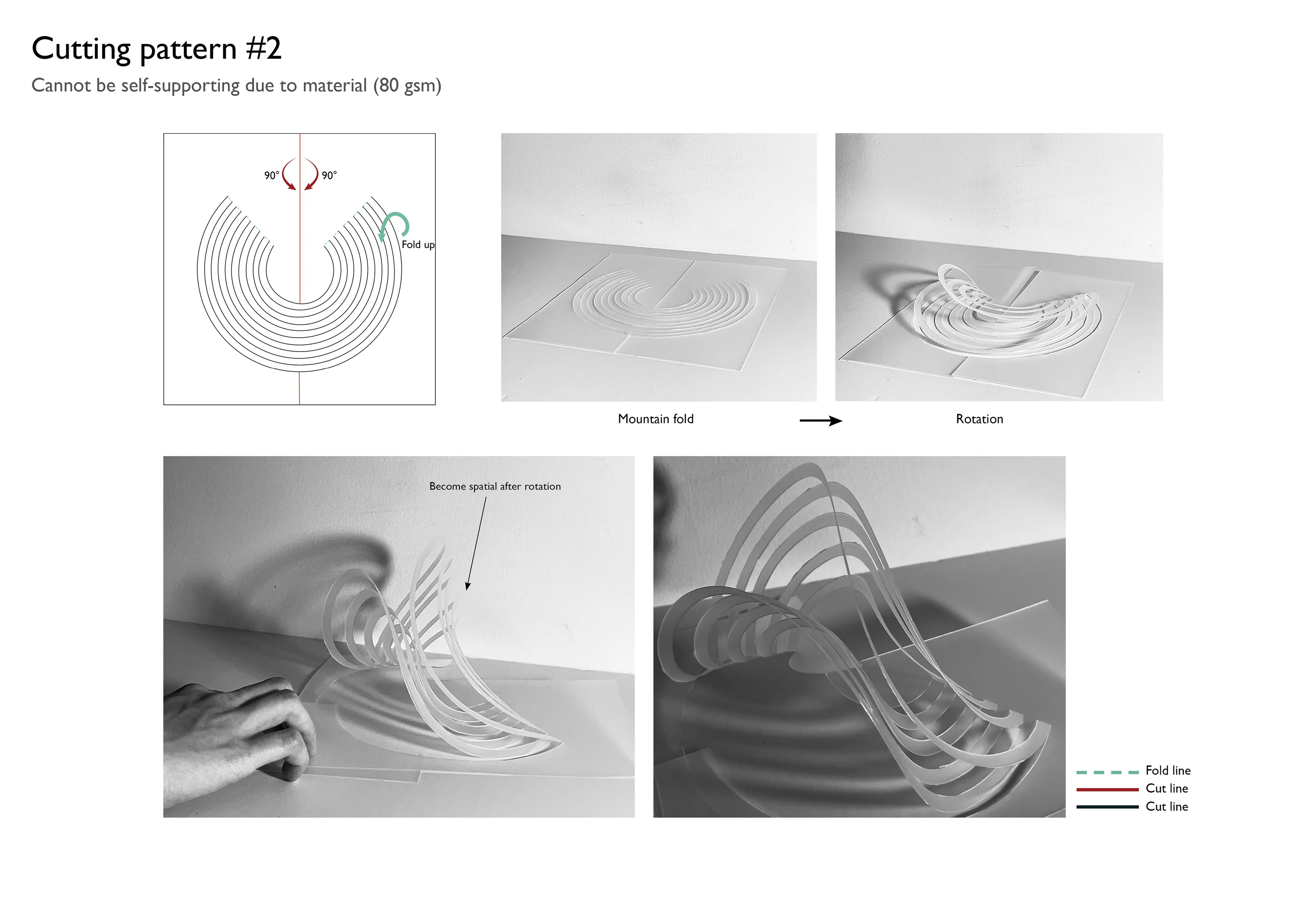
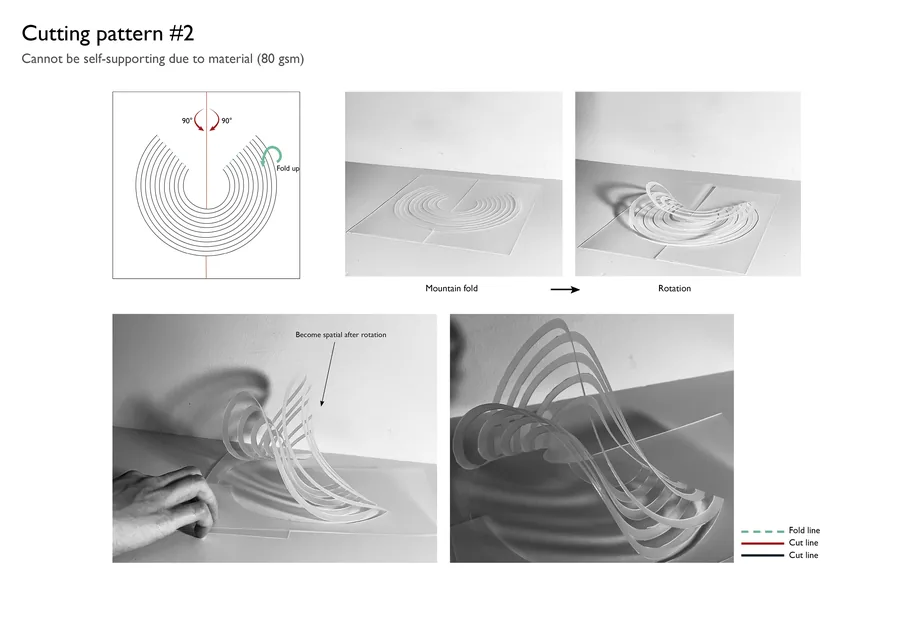
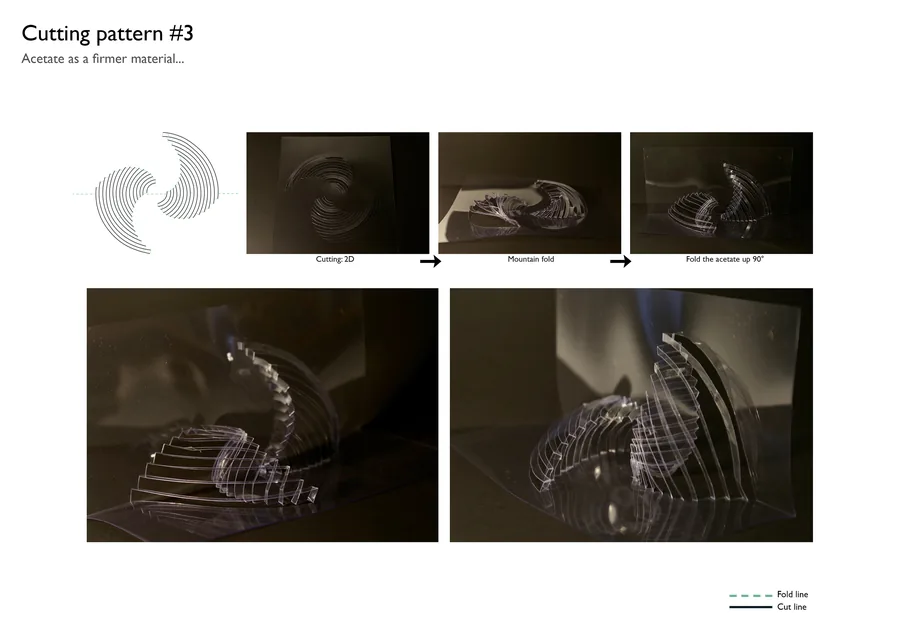
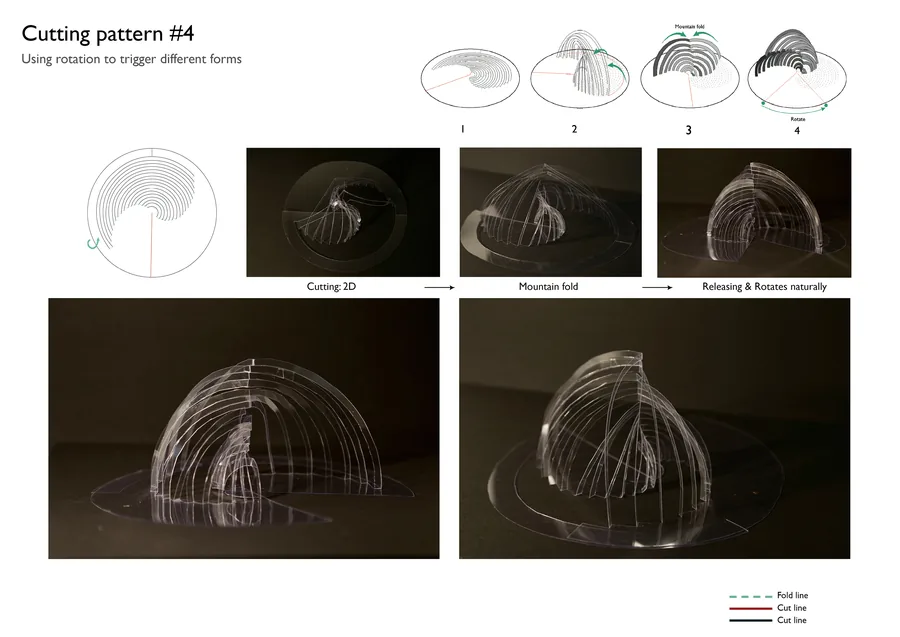
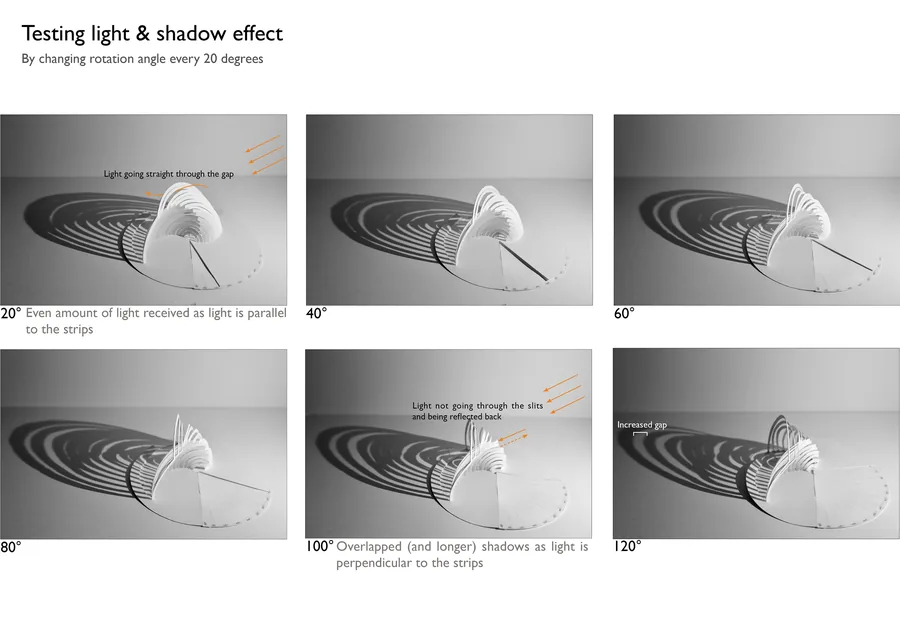
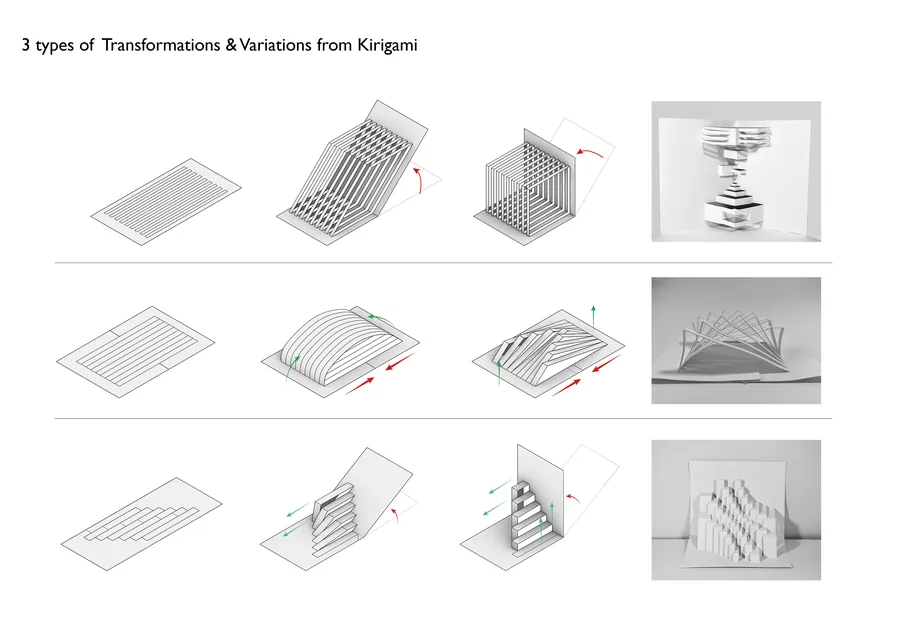
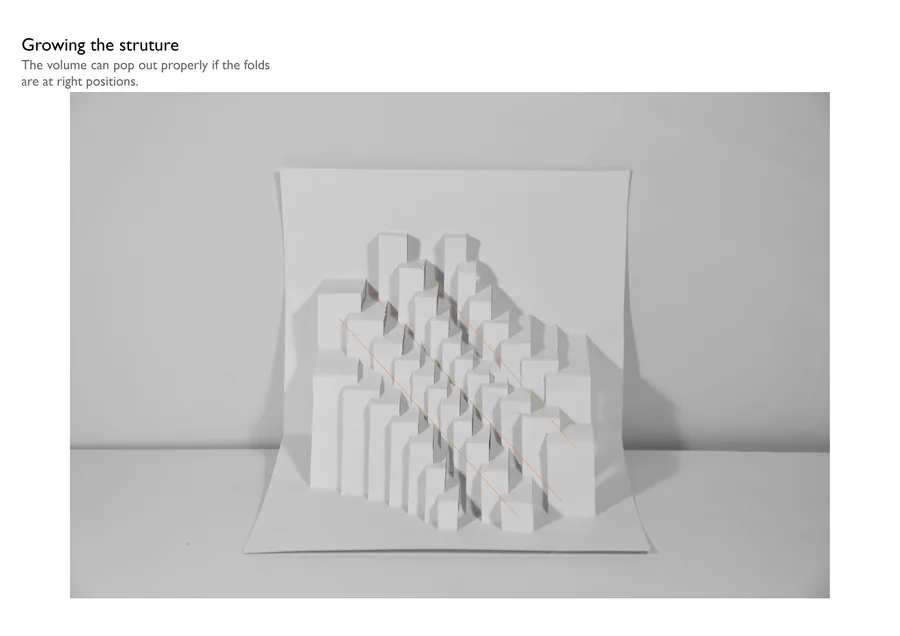
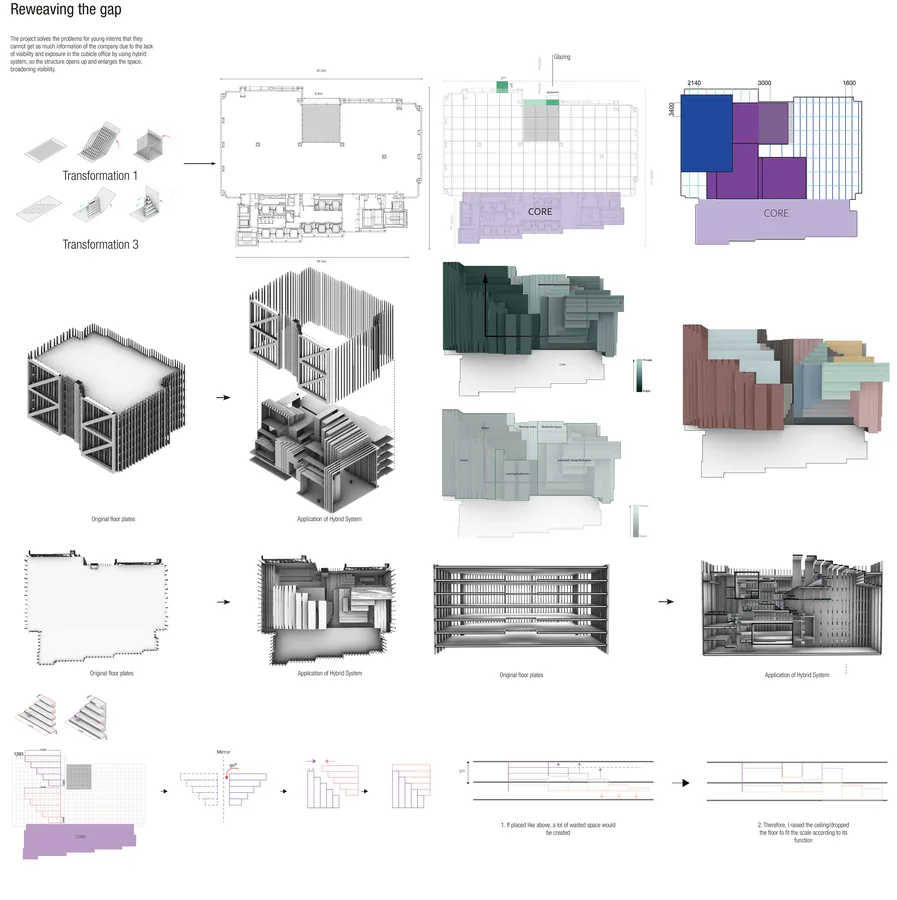
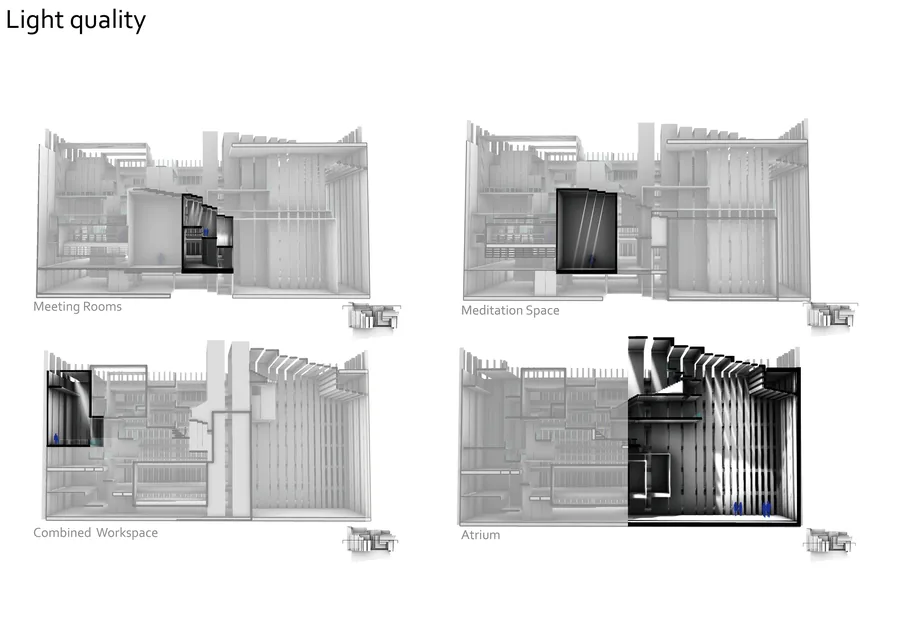
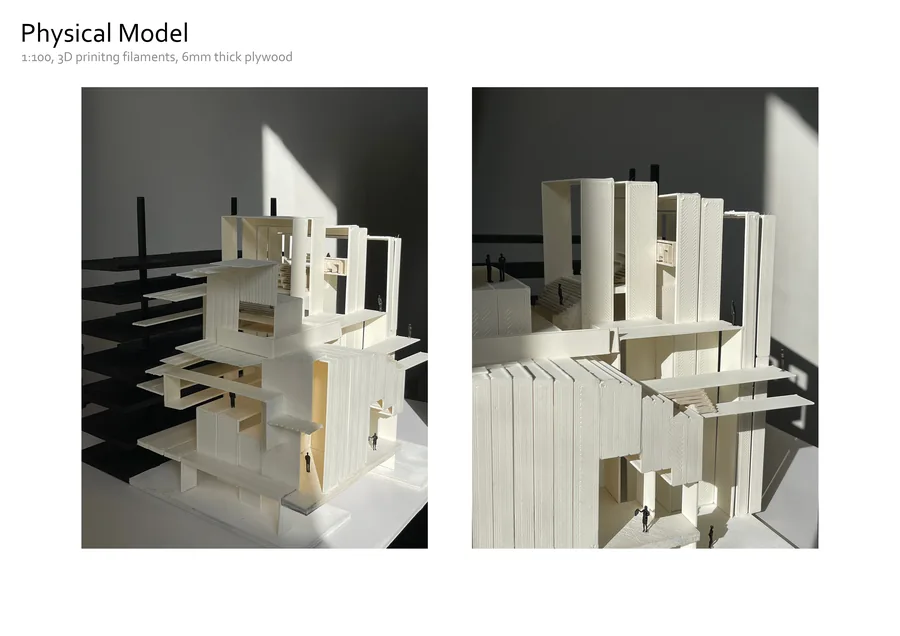
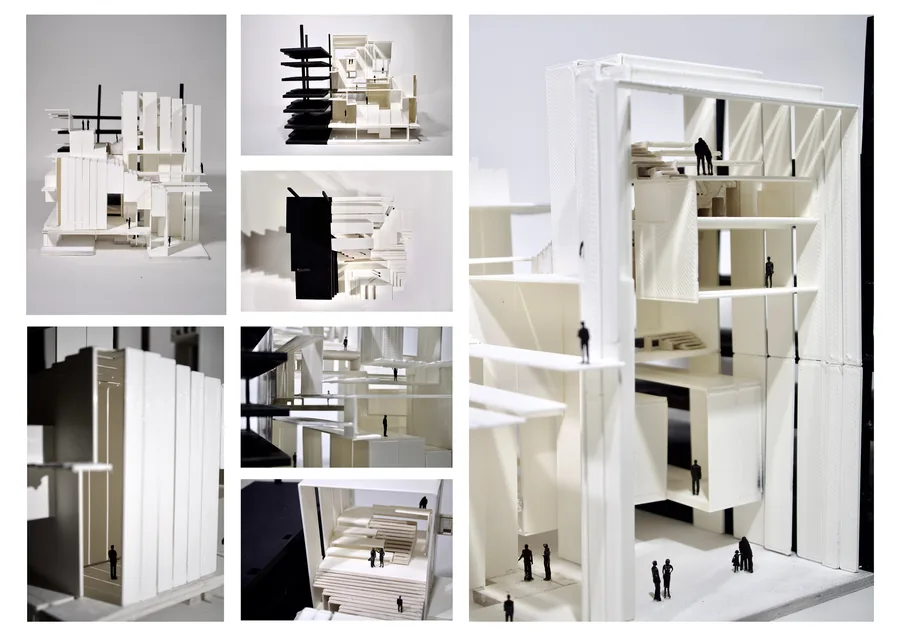
The project therefore aims to create deployable , expandable spaces in both plan and section proving more transparency and increase the degrees of freedom in movement and access providing more chances for exposure, visibility, participation and engagement. The new structure reduces the barrier between volumes formerly occupied and segregated based on position and activity and provides spaces for communal experiences as well as extensions to workspaces.